Running a small business in today’s hyper-competitive digital landscape is no small feat. Whether you sell handmade jewellery, run a local restaurant, or offer professional services the internet is your most powerful sales tool. But without the right digital marketing strategies, even the best products get lost in the noise.
In 2026, over 5.4 billion people are active internet users. Your potential customers are scrolling social media, searching Google, and reading emails every single day. The question isn’t whether you need an online marketing presence, it’s which strategies will deliver the biggest return for your budget, time, and goals.
This comprehensive guide breaks down the 10 most effective digital marketing strategies for small businesses tactics that are actionable, budget-friendly, and proven to drive real growth. Let’s dive in.
97%
of consumers search online for local businesses
3.5×
more revenue from businesses using online marketing
61%
of marketers say SEO is their #1 inbound channel
1. Search Engine Optimization (SEO) – Rank Higher & Get Discovered on Google
Strategy 01 — Organic Growth
Dominate Search Results Without Paid Ads
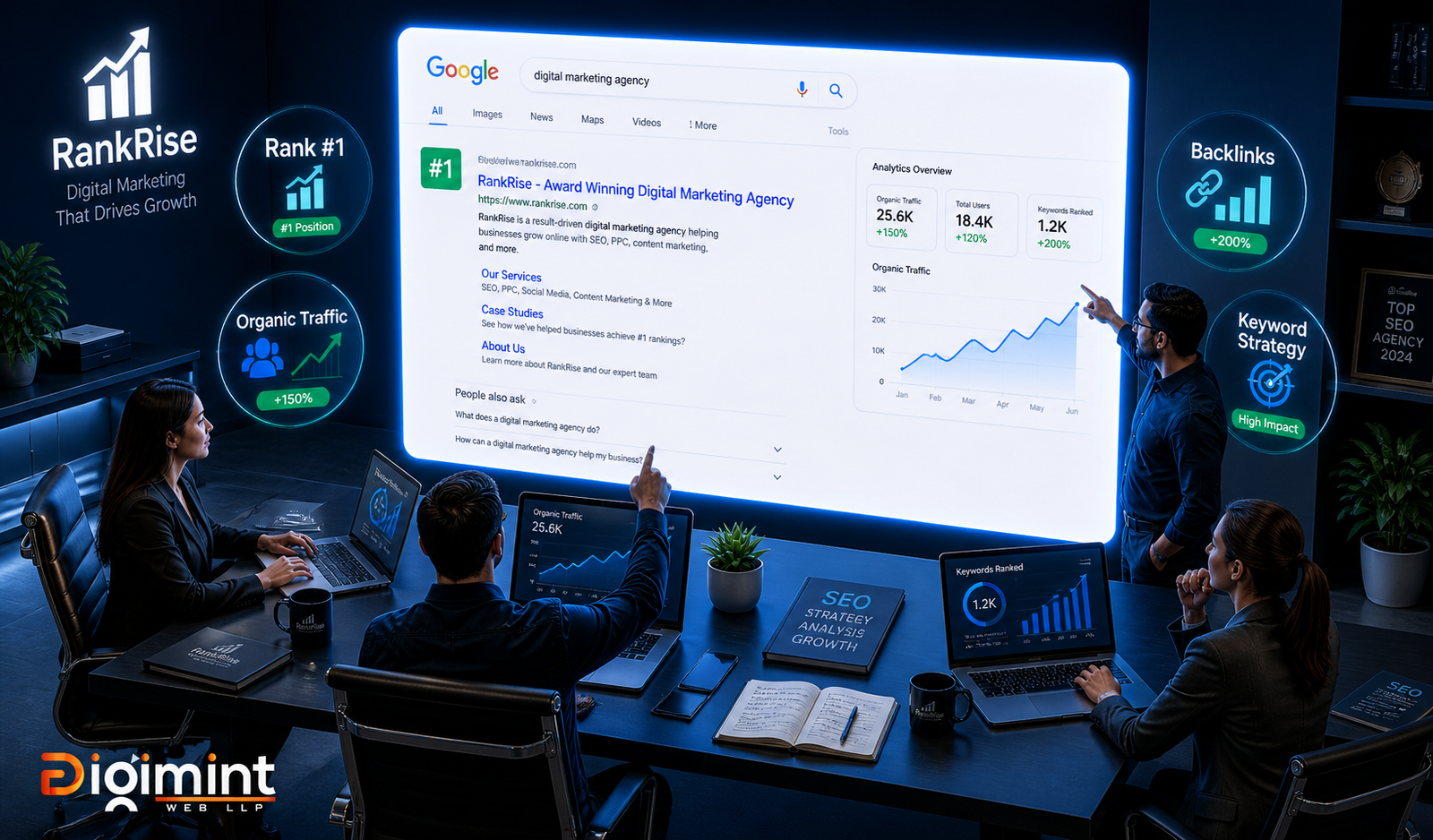
Search Engine Optimisation (SEO) is the backbone of any successful online marketing plan. When someone types “best digital marketing agency near me” or “affordable web design for small businesses”, you want your website to appear on page one. SEO makes that happen organically, sustainably, and at zero cost per click.
Small businesses can greatly benefit from the power of local SEO. Optimising your Google Business Profile, targeting location-based keywords, and earning local backlinks can put you directly in front of customers in your city or neighbourhood.
Key SEO Tactics for Small Business Owners:
- Research long-tail keywords that reflect how your customers actually search
- Optimise every page title, meta description, and heading tag
- Create high-quality, original blog content that answers real questions
- Build backlinks from reputable local directories and industry sites
- Ensure your website loads in under 3 seconds on mobile devices
- Claim and fully optimise your Google Business Profile listing
💡 PRO TIP
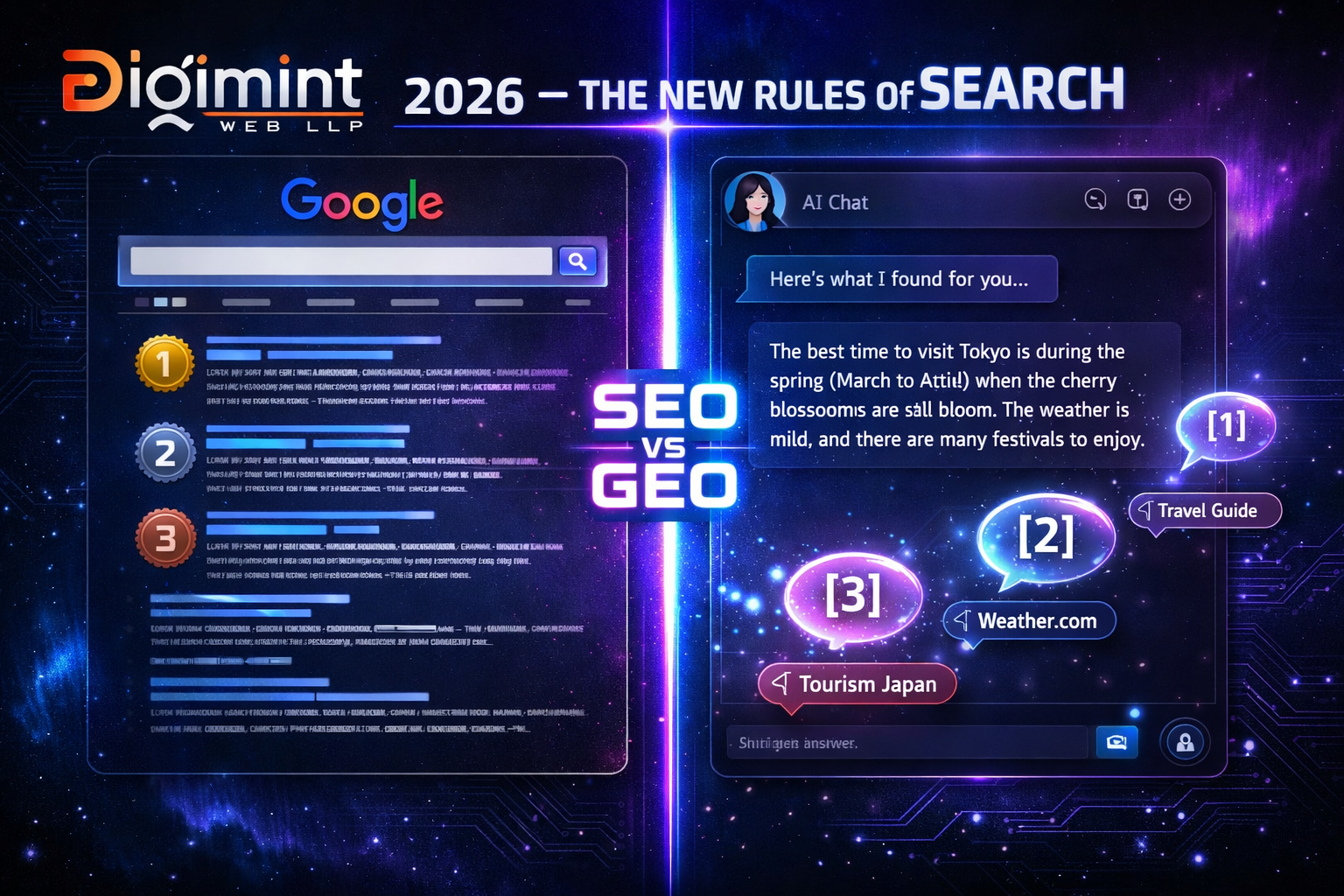
Focus on answering specific questions your customers ask. Voice search now accounts for over 20% of all searches conversational, question-based content ranks higher and converts better.
2. Content Marketing Build Authority and Trust
Content is the currency of the internet. A well-executed content marketing strategy positions your small business as an industry authority, earns trust from potential buyers, and fuels every other digital channel from SEO to social media to email campaigns.
Unlike traditional advertising that interrupts your audience, content marketing attracts people who are already interested in what you offer. A landscaping company that publishes “10 Tips for a Low-Maintenance Garden” will naturally draw homeowners the exact audience that needs their services.
“Compared to outbound marketing, content marketing costs 62% less and delivers three times more leads.”
The most effective content formats for small businesses include blog posts, how-to guides, short-form videos, infographics, case studies, and customer success stories. Consistency matters more than volume — publishing two well-researched articles per month beats publishing five rushed, thin pieces weekly.
3. Social Media Marketing Build a Loyal Community
Strategy 03 — Community & Brand
Turn Followers into Paying Customers
Social media marketing for small businesses is about more than posting pretty pictures. It’s a powerful tool for building relationships, showcasing your brand personality, handling customer service, and driving traffic directly to your website or store. Focus your marketing efforts on platforms that attract your ideal audience.
A bakery might thrive on Instagram with mouthwatering food photography. A B2B consultant might find LinkedIn far more valuable. A local event company could dominate Facebook groups. Rather than spreading yourself thin across every platform, focus your energy on two or three channels and show up consistently.
Platform Selection Guide:
- Instagram & Facebook— Visual products, local businesses, B2C brands
- LinkedIn— B2B services, professional networks, thought leadership
- YouTube & Reels— Educational content, product demos, tutorials
- Google Business Posts— Local discovery, reviews, promotions
4. Pay-Per-Click Advertising (Google Ads) — Instant Visibility
While organic strategies like SEO take time to build momentum, Pay-Per-Click (PPC) advertising delivers immediate results. With Google Ads, your small business can appear at the very top of search results for high-intent keywords — the moment a potential customer is actively looking for exactly what you offer.
The beauty of PPC for small businesses is its precision. You set your budget, choose your target audience, select your keywords, and only pay when someone actually clicks your ad. A plumber can appear at the top of “emergency plumber near me” searches within hours of launching a campaign.
Smart PPC Strategy for Tight Budgets
Start with a narrow set of high-converting, long-tail keywords rather than broad terms. Use smart negative keyword targeting to maximize campaign efficiency. Allocate 70% of budget to proven campaigns and 30% to testing new audiences or ad creatives. Review and optimize weekly — even small improvements in click-through rate compound significantly over time.
5. Email Marketing — The Highest ROI Channel
Strategy 05 — Retention & Revenue
₹1 Spent, ₹36 Returned
Email marketing consistently delivers the highest return on investment of any digital marketing channel, an average of $36 for every $1 spent. For small businesses, building and nurturing an email list is one of the most valuable long-term assets you can create. Unlike social media followers (who you can lose overnight to algorithm changes), your email list is yours forever.
The most effective email marketing strategies for small businesses combine automation with personalisation. Welcome sequences that introduce new subscribers to your brand, abandoned cart emails that recover lost sales, weekly newsletters that provide genuine value, and seasonal promotions tied to your offers all of these work together to deepen customer relationships and drive repeat purchases.
- Offer a lead magnet (free guide, discount, checklist) to grow your list
- Segment your audience by interest, purchase history, or location
- Write subject lines that spark curiosity — test A/B variations
- Keep emails concise, visually clean, and mobile-optimised
- Always include a single, clear call-to-action per email
6. Local SEO & Google Business Profile — Win Your Neighbourhood
For brick-and-mortar businesses and service providers operating in a specific area, local SEO is arguably the single most impactful digital marketing strategy available. “Near me” searches have grown by over 900% in recent years — and appearing in the Google Local Pack (the map with three businesses that appears at the top of local search results) can transform your foot traffic overnight.
Claim your Google Business Profile, ensure your business name, address, and phone number (NAP) are consistent across all directories, actively collect customer reviews, and post regular updates about offers, events, or new products. Businesses with complete, actively managed profiles receive 7× more clicks than those with incomplete listings.
7. Video Marketing — The Most Engaging Content Format
Video is no longer optional. By 2026, video content accounts for over 82% of all internet traffic. Short-form videos on Instagram Reels, YouTube Shorts, and Facebook Stories are consumed at staggering scale and the algorithm actively rewards creators who use these formats.
For small businesses, video marketing doesn’t require a big production budget. A smartphone, good lighting, and a genuine story are often enough. Product demonstrations, behind-the-scenes footage, customer testimonials, quick how-to tutorials, and “day in the life” content all perform exceptionally well and build authentic brand trust far faster than text alone.
💡 VIDEO TIP
The first 3 seconds determine whether viewers keep watching or scroll away. Open with your strongest hook — a surprising statistic, a bold claim, or a compelling question — before revealing your brand or product.
8. Influencer & Micro-Influencer Marketing — Borrow Trust at Scale
You don’t need to partner with mega-celebrities to benefit from influencer marketing. In fact, micro-influencers (those with 5,000–50,000 highly engaged followers in a niche) often deliver better results for small businesses than large accounts with millions of passive followers. Their audiences are tighter, their recommendations feel more authentic, and their collaboration fees are far more accessible.
A Surat-based clothing boutique partnering with five local fashion micro-influencers will likely see stronger conversion than a single collaboration with a national celebrity whose audience spans geographies and demographics far beyond the boutique’s reach.
9. Conversion Rate Optimisation (CRO) Make More from Existing Traffic
Strategy 09 — Maximise ROI
Turn Visitors into Buyers
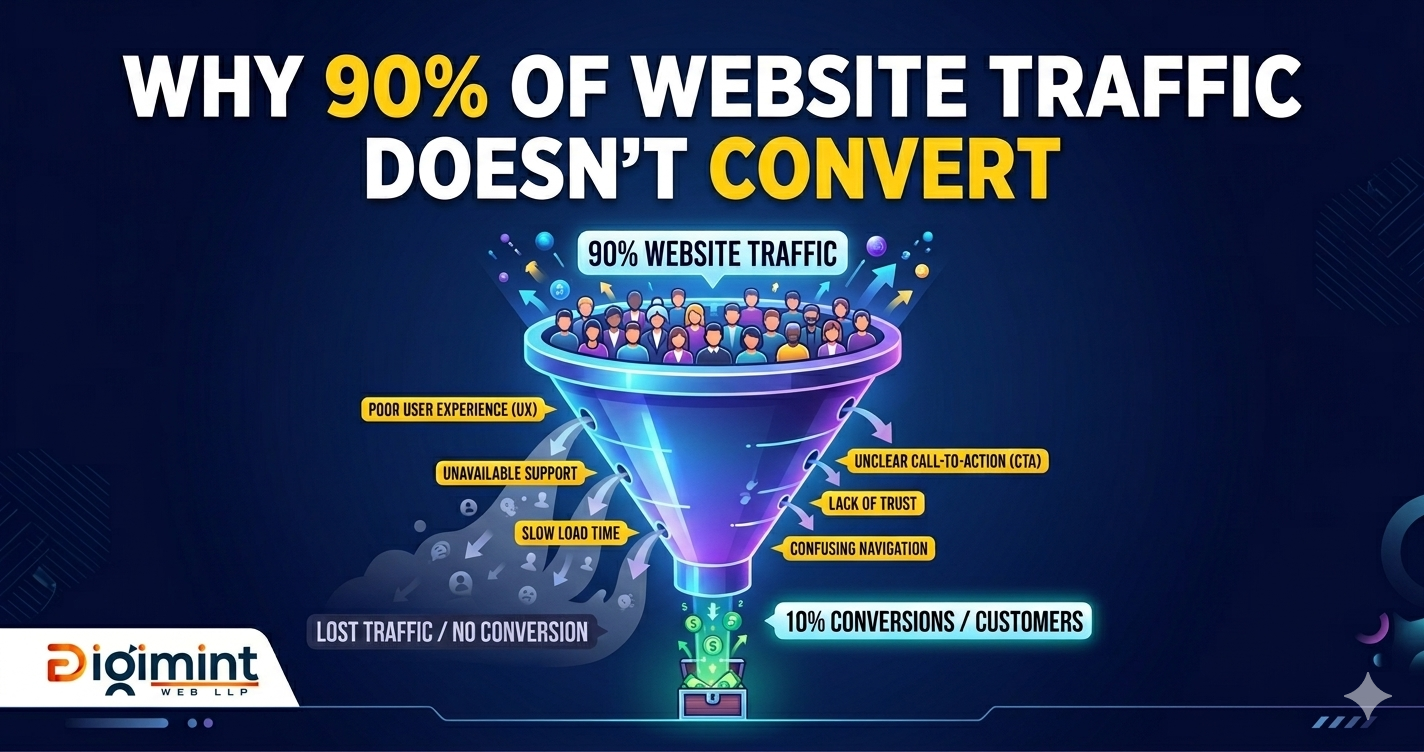
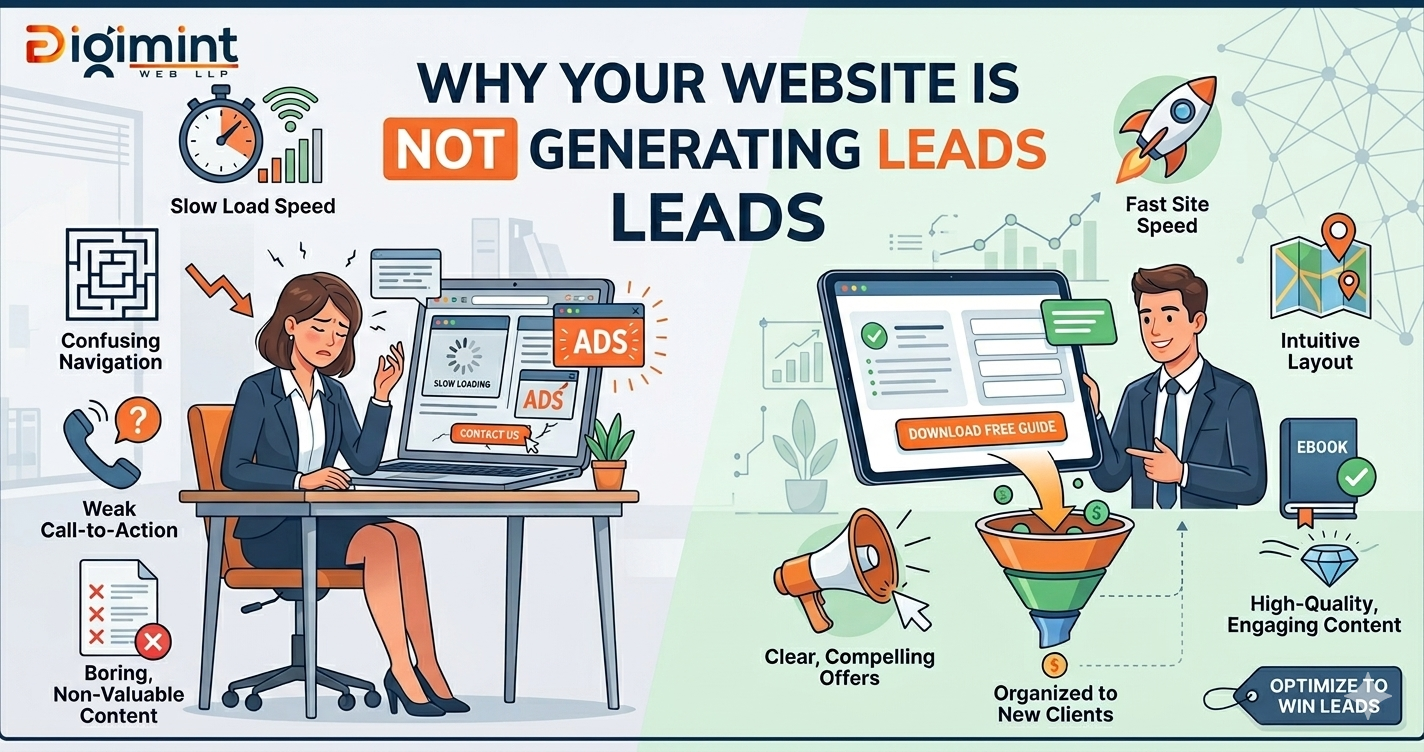
Most small businesses focus obsessively on generating more traffic but double your conversion rate and you effectively double your revenue without spending an extra rupee on advertising. Conversion Rate Optimisation (CRO) is the practice of systematically improving your website and landing pages to turn a higher percentage of visitors into leads, subscribers, or customers.
CRO involves analysing where visitors drop off in your sales funnel, testing different headlines, button colours, page layouts, and calls-to-action, and using heatmaps and session recordings to understand real user behaviour. Even small changes a clearer value proposition, a trust badge, a simplified checkout form can produce dramatic improvements in conversion rate.
10. Data Analytics & Performance Tracking — What Gets Measured, Gets Improved
The most sophisticated digital marketing strategy in the world is worthless if you don’t know whether it’s working. Data-driven marketing means setting clear goals, tracking the right metrics, and making decisions based on evidence rather than gut feeling.
Google Analytics 4, Google Search Console, Meta Business Suite, and your email platform’s built-in reporting give you a complete picture of where traffic is coming from, how users behave on your site, which campaigns are delivering ROI, and where opportunities for improvement lie. Schedule a monthly performance review to assess what’s working and reallocate budget accordingly.
- Track organic search traffic growth month-over-month via Search Console
- Monitor cost-per-lead and cost-per-acquisition for all paid campaigns
- Measure email open rates, click-through rates, and revenue per subscriber
- Set up Goal tracking in GA4 for form submissions, purchases, and calls
- Run monthly A/B tests on key landing pages and ad creatives
Putting It All Together: Your Small Business Digital Marketing Roadmap
The most successful small businesses don’t try to implement all ten strategies at once. Instead, they build a layered digital marketing plan that starts with the highest-impact, lowest-cost foundations and expands over time.
Start with your Google Business Profile and basic on-page SEO to capture existing search demand. Launch a content marketing programme to build authority and fuel long-term organic growth. Grow your email list from day one it’s your most resilient channel. Once these foundations are in place, invest in paid advertising to accelerate momentum, and use video and social media to build community and brand affinity.
“Digital marketing is not just about technology. It’s about connecting the right message with the right person at the right moment.” DigiMint Web Team
Consistency trumps intensity. A small business that publishes one great blog post per week, sends a monthly email newsletter, and maintains an active Google Business Profile will outperform a competitor who launches one massive campaign and then goes silent. The algorithm and your audience reward reliability.